
Cutlery trays · A place for everything.Everything in
Everything in
its favorite place.
Discover cutlery trays, thoughtful drawer organizers and beautiful ideas for your table. Less searching. More joy in everyday life.
FOR KITCHEN & TABLEA place for everything.
01
Measure first. Choose second.
Measure the usable width, depth and height of your drawer. Kitchen cabinet sizes are not the internal dimensions of the drawer.
02
The right material.
Wood and bamboo bring warmth to the kitchen. Plastic is easy to clean. Choose what works for your everyday routine.
03
Room for the essentials.
Forks, knives and spoons need separate compartments. Allow space for larger utensils and frequently used accessories too.
Explore all topics
Many ways to make room.
From your first kitchen knife to a beautifully set table: find storage that suits your life.
PRODUCT SELECTION
Six ideas for a tidier kitchen
Explore suitable products and check dimensions, options and current availability directly on Amazon.
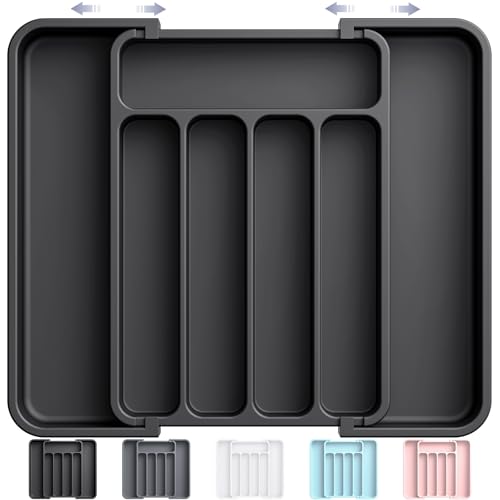
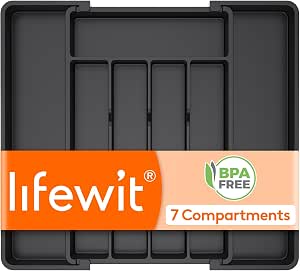

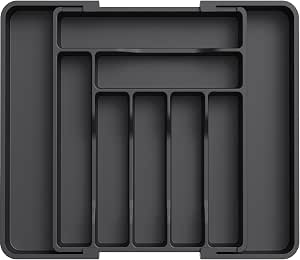
Product images: Amazon. Find current prices and availability in the linked Amazon shop.
Shop for cutlery trays online
Why a good cutlery tray makes everyday life easier
A cutlery tray is more than just an insert in a drawer. It is a small organisation system that saves time, reduces frustration and makes your kitchen a little better every day. Anyone who has searched through a cluttered drawer for the right teaspoon knows that loose cutlery creates a mess, makes unnecessary noise and can even scratch knives or delicate surfaces. A well-fitting cutlery tray gives knives, forks, spoons and kitchen utensils a place of their own. As well as looking tidy, this makes cooking and setting the table quicker and cleaner, especially when several people are working in the kitchen at once. A clear layout also helps with hygiene: when every item has its own compartment, crumbs and moisture are easier to keep under control and cleaning is simpler. Modern cutlery trays are no longer a one-size-fits-all solution. There are narrow versions for small drawers, wide inserts for family kitchens, expandable models for adjustable widths and more refined storage options for delicate or high-quality cutlery. You can also choose a look you like: natural materials feel warm and elegant, while plastic is particularly practical and lightweight. What matters is that the dimensions, material and compartment layout suit your habits. The best cutlery tray is one you barely notice because everything is easy to reach, nothing slides around and the drawer feels freshly organized every day. The aim is to spend less time searching, see everything at a glance and have a kitchen that works smoothly in everyday use.
Size and fit: keeping your drawer insert in place
For a cutlery tray to work reliably, it needs to fit the drawer properly, rather than approximately, so that it stays in place when you open and close it. First measure the drawer's internal width and depth, not its external dimensions, and allow for runners, rounded corners and small projections. In a very narrow kitchen drawer or a secondary drawer, a compact insert can organize your everyday cutlery without taking up valuable space. A narrow solution such as a 20 cm cutlery tray makes good use of a small width and brings order to items that would otherwise be loose. In larger kitchens with wide drawers, the available surface area matters: it lets you separate dining cutlery, serving pieces, kitchen knives and utensils. A common standard width in kitchens is 60 cm, so a suitable 60 cm cutlery tray can be a convenient choice, using the drawer's space while keeping everything easy to see. Check the height of the insert too. Sides that are too high can catch on cutlery handles, while very low sides allow items to slide out more easily. For quieter drawers, look for a non-slip underside or corners that fit closely. If you often rearrange your cutlery, perhaps because you use different pieces seasonally, clearly defined, generously sized compartments may be more useful than many tiny divisions. The aim is always the same: the insert should suit your drawer, rather than the other way around, so that everything stays stable, quiet and tidy.
Choosing a material: wood, bamboo or plastic?
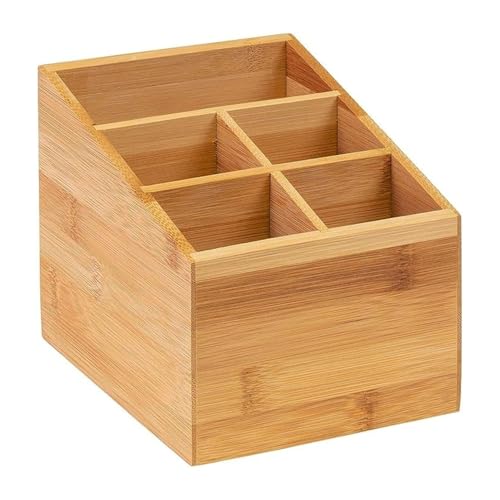
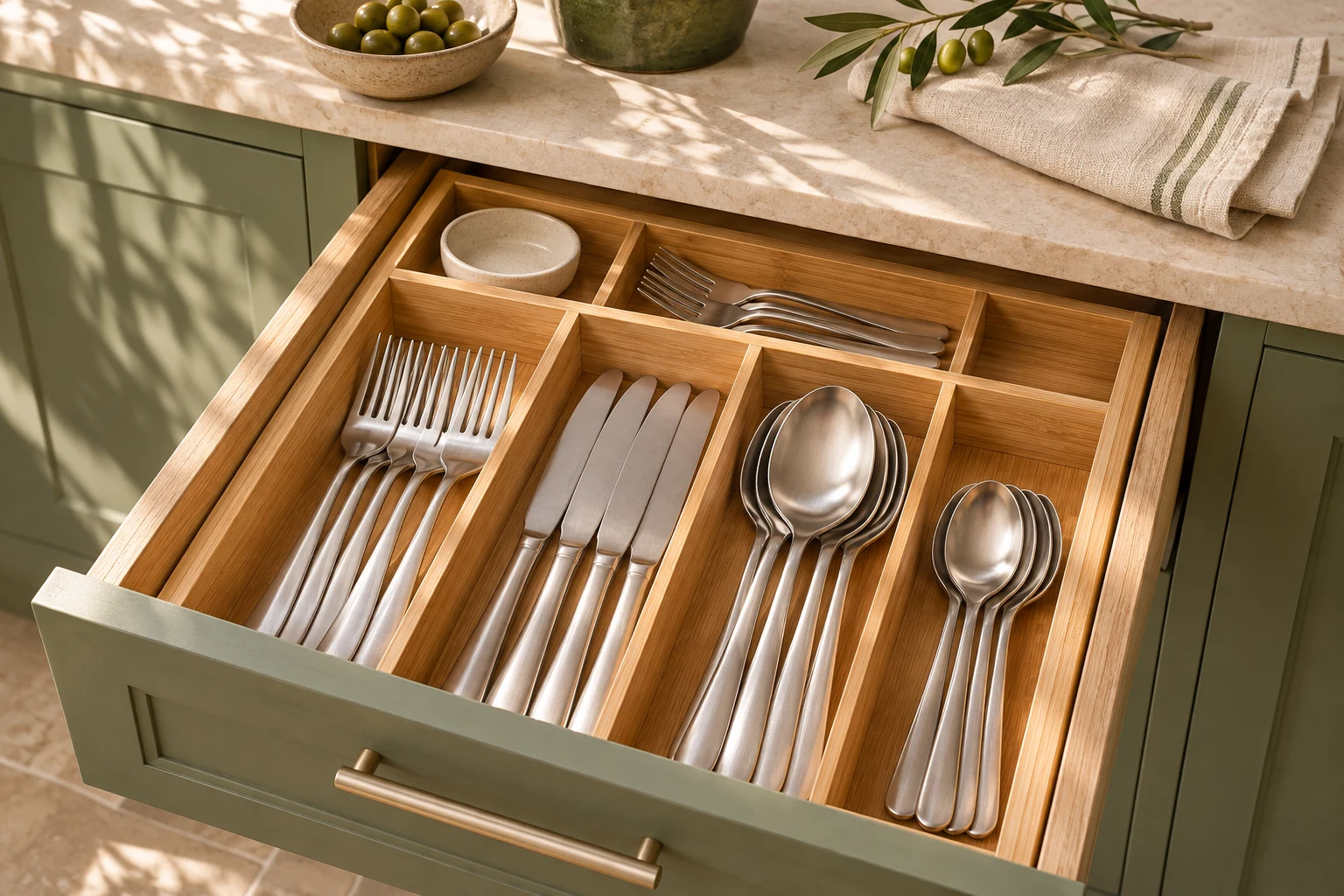
The material determines whether your cutlery tray feels warm and elegant or especially practical, and how much care it will need. Many people prefer wood for its refined appearance. It feels sturdy, looks attractive in an open kitchen and complements natural cabinet fronts and worktops. Good finishing is important to prevent splinters and protect the surface from moisture. If you like this look, a wooden cutlery tray combines organisation with attractive design. Bamboo is similarly popular, often has a lighter, more modern appearance and is known for standing up to everyday kitchen use. It is an appealing option if you want a natural look with relatively straightforward care. A bamboo cutlery tray can offer that balance between a natural appearance and easy handling. Plastic is a practical choice: it is usually lightweight, may be dishwasher-safe depending on the manufacturer's instructions, and is often less sensitive to moisture and stains. That can be helpful in households with children or when you cook frequently. Whatever the material, think about how you use your kitchen. If you often put cutlery away while it is still damp, quick drying and a moisture-resistant surface matter more than appearance alone. If you value the feel of a well-finished drawer, natural materials may appeal more. For long-term use, look for sturdy dividers and surfaces that are easy to wipe clean. A cutlery tray is an everyday item, and the better its material suits your habits, the longer it can remain attractive and useful.
Layout and organisation: from everyday cutlery to kitchen utensils
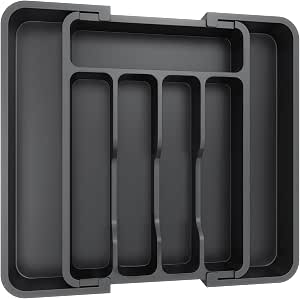
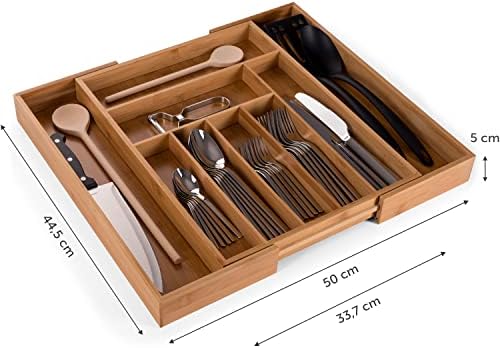
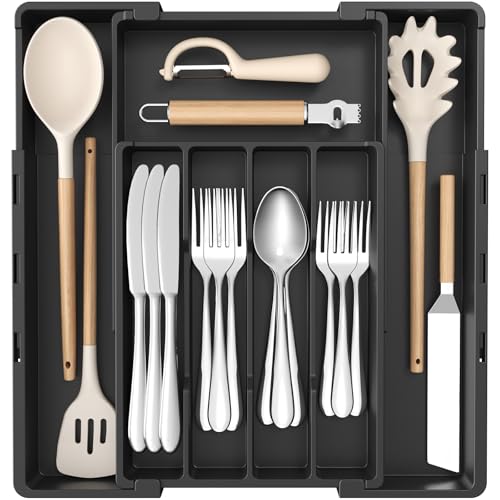
The right size and an attractive material are of little use if the compartments do not suit your cutlery. Start by taking stock: how many forks, knives and spoons do you use each day, and what else needs a place, such as teaspoons, cake forks, steak knives, serving pieces, scissors or a bottle opener? A good organisation system keeps frequently used items separate and easy to pick up without rummaging through other compartments. Expandable inserts offer flexibility because they adjust to different widths and can provide extra compartments as your household changes. If that adaptability appeals to you, an expandable cutlery tray is a practical option: you can use its spare capacity instead of replacing the entire organizer. Very high-quality or delicate cutlery may need more specialised storage to protect surfaces and prevent pieces rubbing together. A storage box for silver cutlery, for example, places more emphasis on protection than a conventional kitchen drawer layout. Not every drawer needs a traditional cutlery tray. A supplementary insert may be useful for other kitchen utensils, perhaps with a separate area for cooking tools or the items you use at breakfast. What matters is that the drawer works as a small system, with clear zones, a logical layout and little need to move things around. Taking time to arrange it around your everyday habits can make a noticeable difference: less clutter, quicker tasks and a kitchen that feels naturally organized.
Care and durability: keeping everything clean and looking good
A cutlery tray regularly comes into contact with crumbs, dust, moisture and sometimes a film of kitchen grease, so it helps to think about cleaning from the start. The main rule is to empty the tray regularly and clean the insert separately, rather than just wiping around the cutlery. This removes crumbs from corners where they would otherwise collect and become unpleasant over time. Avoid soaking natural materials such as wood or bamboo. Wipe them with a slightly damp cloth instead and let them dry thoroughly, helping the surface stay attractive and preventing warping. Plastic is generally easier to care for, but a short routine is useful here too: clean it thoroughly once a month and shake out or vacuum up crumbs in between. If your drawer holds more than cutlery, a combination of inserts may work well, with a wooden area for delicate pieces and a robust section for kitchen utensils. An additional wooden drawer insert can provide an attractive, organized base. If you also want to keep cutlery tidy outside the drawer, for example at a barbecue, buffet or on the kitchen worktop, a wooden cutlery basket brings that organisation wherever it is needed. Avoid overfilling the insert: crowded compartments can cause friction, scratches and pieces catching on the sides when you close the drawer. If cutlery often lies diagonally, the compartments may be too short or the layout may be too cramped. A well-chosen cutlery tray can last for years when it is filled sensibly and given a little regular care.
Frequently asked questions
1) How do I measure my drawer for a cutlery tray?
Measure its internal width, internal depth and usable height. Allow for runners, rounded corners and internal edges so that the insert does not jam or slide around.
2) Which is better: an expandable or a fixed cutlery tray?
A fixed tray can feel stable and tidy when it matches the drawer's dimensions. An expandable model is useful if you want flexibility or your drawer width does not match standard sizes.
3) Which material is easiest to care for?
Plastic is generally the most straightforward because it tolerates moisture and stains well. Wood and bamboo have an attractive finish, but should be wiped with a damp cloth and then dried.
4) How can I stop the insert sliding around in the drawer?
Look for a close fit, a base that rests evenly across the drawer and a non-slip underside where available. A thin non-slip mat under the insert can also help.
5) How often should I clean my cutlery tray?
A quick check for crumbs between thorough cleans is helpful. In most kitchens, emptying, wiping and drying the tray about once a month is worthwhile, or more often depending on use.
Explore all topics
Cutlery traysCutlery80 cm cutlery drawer insertFelt cutlery insertSilver cutlery drawer insertPlastic cutlery drawer insertStainless steel cutlery holderRestaurant cutlery holderWooden cutlery holderDrawer cutlery holderBlack cutlery holderCutlery holdersCutlery trays for drawers20 cm cutlery tray30 x 45 cm cutlery tray40 x 40 cm cutlery tray50 cm cutlery tray60 cm cutlery tray80 cm cutlery tray90 cm cutlery trayExpandable cutlery trayBamboo cutlery trayCutlery tray insertSilver cutlery storage boxRestaurant cutlery trayLarge cutlery trayWooden cutlery traySmall cutlery trayPlastic cutlery trayCutlery box with lidPlastic cutlery boxAdjustable cutlery trayWhite cutlery trayWMF cutlery trayCutlery organizer insertWooden cutlery basketRattan cutlery basketCutlery basketsKitchen cutlery drawer organizerTravel cutlery pouchWedding cutlery pouchesPlastic cutlery pouchChristmas cutlery pouchesCutlery pouchesKraft paper cutlery pouchesReusable cutlery pouchesBraun juicersChampion juicersPrivacy policyJuicers and juice pressesProfessional cutlery trayGastroback juicersSpice drawer insertGreen Star juicersLegal noticeKesper cutlery trayMoulinex juicersNaber cutlery insertNobilia drawer insertPhilips juicersCutlery drawer insertWooden drawer insertPlacemat with cutlery pocketZeller cutlery tray